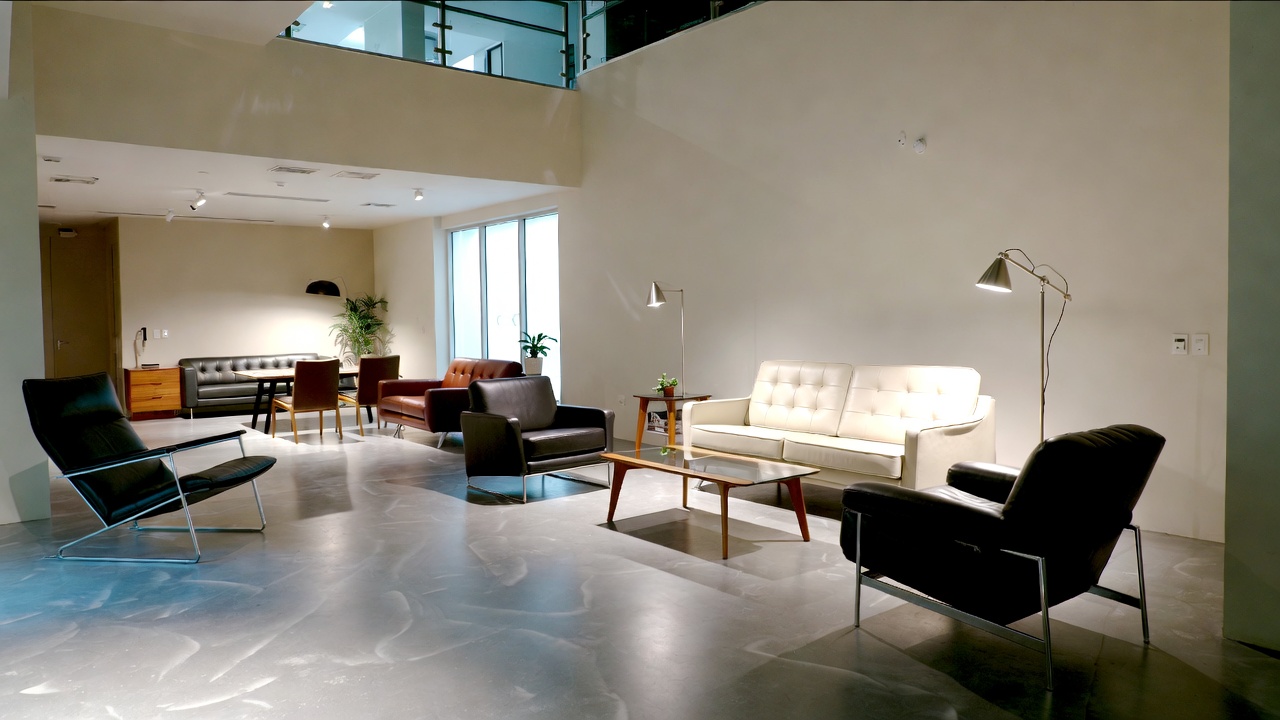
So, you're thinking of sprucing up your place, ah? Maybe your HDB feels a bit sian after all these years, or your office needs a serious boost to get those creative juices flowing. I get it, lah! We all want a space that feels good, looks good, and works for us. But before you start tearing down walls and picking out that fancy new sofa, let's talk about something super important: renovation regulations.
Think of it like this: you wouldn't drive without a license, right? Same thing applies here. Ensuring compliance with Singapore's renovation regulations is key to a smooth, stress-free project. Nobody wants a surprise visit from the authorities or, worse, having to undo all your hard work!
Let's break it down into a simple checklist, so you can steady pom pi pi through this whole process.
Okay, before you even start drooling over those Pinterest-worthy commercial design interiors, there's some homework to do. This is where you lay the groundwork for a renovation that's both beautiful and legal.
Know Your HDB/Building Rules: This is rule number one, confirm. HDB has its own set of guidelines, and private condos or commercial buildings will have theirs too. Check with your building management or HDB branch office. They'll tell you exactly what you can and cannot do. Don't skip this step, leh! I've heard so many friends in the group chat complain about the same thing: they started reno without checking, and siao liao, had to make expensive changes.
Engage a Qualified Professional: Unless you're a licensed contractor yourself (and I'm guessing you're not!), you'll need to engage a qualified professional. This could be an interior designer, a contractor, or both. They should be familiar with the local regulations and able to guide you through the process. That's where platforms like Wondrous La Vie come in handy. They connect you with top interior designers in Singapore, so you can find someone who knows their stuff.
Check Credentials and Insurance: Don't just go for the cheapest option! Verify that your chosen contractor or designer is licensed and insured. This protects you in case of accidents or shoddy workmanship. It's like buying insurance for your peace of mind, sia.
Prepare Detailed Plans: A vague idea isn't going to cut it. You need detailed plans showing exactly what you intend to do, including any structural changes, electrical work, or plumbing modifications. These plans will be submitted to the authorities for approval.
Obtain Necessary Permits: This is where things can get a bit tricky, but your qualified professional should be able to help you with this. Depending on the scope of your renovation, you may need permits from HDB, BCA (Building and Construction Authority), or other relevant agencies. Don't even think about skipping this step.
So, the hacking has begun, the dust is flying, and your place looks like a warzone. But don't relax just yet! There are still rules to follow during the renovation itself.
Adhere to Approved Plans: Stick to the plans that were approved. Don't make any unauthorized changes without getting the necessary permits. I know, sometimes you see something cool on Instagram and think, "Eh, why not add this?" But resist the urge, lah! It's not worth the risk.
Manage Noise and Dust: Be considerate of your neighbours. Renovations can be noisy and dusty, so try to minimize the disruption. Follow the permitted working hours and take steps to control dust and debris. Maybe even bake some cookies for your neighbours as a peace offering? Just a thought!
Proper Waste Disposal: Dispose of renovation waste properly. Don't just dump it in the common areas or down the drain! Your contractor should have a plan for waste disposal.
Regular Inspections: Schedule regular inspections with your contractor or designer to ensure that the work is being done according to the approved plans and regulations. Catching problems early can save you a lot of headaches (and money) down the road.
Safety First: Ensure that the renovation site is safe for workers and visitors. This includes providing proper safety equipment and maintaining a clean and organized work area.
The renovation is finally done! Your place looks amazing, and you can't wait to show it off to your friends. But there are still a few things to take care of.
Final Inspection: Conduct a final inspection to ensure that all work has been completed to your satisfaction and in accordance with the approved plans.
Obtain Completion Certificates: Obtain any necessary completion certificates from the relevant authorities. This confirms that the renovation has been completed in compliance with the regulations.
Update Records: Keep all records related to the renovation, including permits, plans, and completion certificates. You may need these in the future if you decide to sell your property.
Enjoy Your New Space! This is the best part! Finally, you can relax and enjoy your newly renovated home or office. Invite your friends over for a housewarming party and show off your amazing commercial design interiors.
Now, let's zoom in a bit on office renovation project management, because that's a whole different ballgame, right? You're not just dealing with your own preferences, but also the needs of your employees and the demands of your business.
Define Project Goals: What do you want to achieve with this renovation? More collaboration? Improved productivity? A better brand image? Clearly defining your goals will help you make informed decisions throughout the project.
Establish a Budget: How much are you willing to spend? Be realistic and factor in unexpected costs. It's always better to have a buffer than to run out of money halfway through the project.
Create a Timeline: When do you want the renovation to be completed? Develop a timeline that takes into account the various stages of the project, from planning to execution to final inspection.
Communicate Effectively: Keep your employees informed about the renovation process. Let them know what to expect and address any concerns they may have. In Singapore’s smaller HDB homes and apartments, the sleeping area often acts as a rest zone and more—a haven for unwinding after long workdays, enjoy quiet time with a book, or even set up a temporary WFH corner when required. It’s frequent for local residents to feel frustrated by arrangements that appear overcrowded, overly bright illumination, or cluttered cabinets taking up room, making the room feel more functional than relaxing. That’s where thoughtful bedroom storage really shines—it focuses on smart space planning, relaxing colour schemes, space-saving furniture, and ambient and layered lighting to create a restorative haven that boosts sleep quality while keeping everything tidy and airy. Suddenly your bedroom becomes the place you can’t wait to reach at the end of the day, helping you de-stress more effectively, sleep deeper, and start mornings feeling revitalised for whatever the next day brings. Platforms like Wondrous La Vie feature abundant genuine homeowner transformations and easy connections to professionals skilled in these smart, aesthetic SG bedroom upgrades.. Transparency is key to maintaining morale and minimizing disruption.
Minimize Downtime: Plan the renovation in a way that minimizes disruption to your business operations. This may involve working in phases, scheduling work during off-peak hours, or temporarily relocating employees.
Consider Ergonomics: When choosing furniture and equipment, consider ergonomics. Comfortable and well-designed workspaces can improve employee productivity and reduce the risk of injuries.
Look, I know all this talk about regulations and permits can sound a bit intimidating. But don't worry, lah! After a long day squeezing onto the MRT and grinding through meetings, most Singapore homeowners just want to return home to a space that feels warm and relaxing instead of making things worse. A cluttered living room or an unrestful bedroom can make unwinding even tougher, especially when the whole family hope to relax together. That’s where thoughtful interior design singapore really makes a difference—it turns everyday rooms like your living room, master bedroom, or kitchen into true recharge spots that actually help you refresh your energy. With the right living room seating, sleep surface, or functional arrangement, suddenly getting home feels damn shiok, and small changes can bring huge benefits to your well-being and family moments. Platforms like Wondrous La Vie make it easier to discover inspiration and match with interior designers who get the the local HDB/condo style perfectly. This format lets you easily generate multiple SEO-optimised variations while keeping the core keyword "interior design" stable in the middle for strong on-page targeting.. With the right help, it doesn't have to be a sian experience. That's where Wondrous La Vie comes in.
Wondrous La Vie is Singapore's go-to platform for connecting you to top interior designers and curated furniture brands. Whether you're looking for HDB interior design ideas, the best mattress for back pain Singapore, or modern living room furniture Singapore, they've got you covered.
Picture this: you open the door after a long day at the office and OT, and your shoulders just drop – sounds like heaven? It can be sia. One homeowner shared how connecting with the right designer via the platform turned their cramped HDB living room into a cosy family hangout – suddenly weekends feel so much better.
They offer a wide range of services, including:
So, why not pop over to wondrouslavie.com, take the quick quiz, browse sofas/mattresses, or connect with a designer and see what feels right for your space? Let Wondrous La Vie help you create a space that's not only beautiful but also compliant with all the regulations. Confirm can! Because, at the end of the day, home is where the heart is, and it should also be where the chill is, right? Let's make your home your haven, lah!
Okay lah, let's talk about making sure your home reno doesn't kena any saman from the authorities! Nobody wants that kind of stress on top of everything else, right? When you're diving into interior design, especially for commercial design interiors, it's not just about picking the perfect sofa or dreaming up that dream kitchen. It's also about playing by the rules. Think of it as making sure your beautiful new space is also a legally sound one.
Okay, so you’re ready to transform your space. Maybe you're picturing a sleek, modern living room with a comfy new sofa, or perhaps a kitchen renovation that makes cooking a joy instead of a chore. But before you get too carried away with HDB interior design ideas or condominium makeover dreams, let's talk about something super important: following the rules! Singapore has some pretty specific regulations when it comes to renovations, and trust me, you don't want to run afoul of them. In Singapore’s fast-paced life, coming home to a space that feels truly inviting can make the biggest change after a full day of office grind and MRT squeezes. Many Singapore homeowners begin looking at improvements for their living area or sleeping space, wanting pieces that look stunning while truly cozy enough for real life. That’s exactly why singapore furniture makes the difference—it brings that beautiful combination of elegant design, high-quality fabrics and finishes, and genuine relaxation that turns everyday spaces into places you genuinely look forward to relaxing in. Think about settling into a sumptuous seating after dinner or starting the day energised on a high-quality mattress that supports you just right; suddenly, your home feels more like a private sanctuary not just four walls. Browsing handpicked collections on sites such as Wondrous La Vie helps you discover these items without the overwhelm, making it more enjoyable to create a space that’s both beautiful and restorative.. It’s like forgetting to chope your table at the hawker centre – can lead to some unwanted drama.
1. Know Your HDB (or Condo) Guidelines Inside Out
First things first: HDB has its own set of rules, and condos have theirs too (usually managed by the Management Corporation Strata Title, or MCST). These guidelines cover everything from hacking walls to changing your flooring. Don't just assume you can do anything you want! Check the HDB website or your condo's bylaws. Ignorance is not bliss here; it’s more like a recipe for headaches.
2. Permits, Permits, Permits!
This is not a drill! Certain renovations require permits from HDB or your condo management. Don't skip this step! It’s like trying to drive on the expressway without a license – not a good idea. Common examples include:
Your interior designer should be able to guide you through this process, but it's always good to be informed.
3. Noise Control: Be a Good Neighbour
Renovations can be noisy, and nobody wants to be that neighbour. There are usually restrictions on when you can carry out noisy work. Stick to the approved hours, and maybe even give your neighbours a heads-up before you start. A little consideration goes a long way! The main living area is usually the first space people walk into first and where the kids and parents relax after dinner, so it feels right to want items that appears stylish, hides wires cleanly, and avoids shrinking the space visually than it already is in typical Singapore homes. Many people endure oversized outdated units or cheap units that feel unstable, collect dust easily, or just don’t align with contemporary style they’re aiming for. That’s exactly where a well-chosen TV console comes into play—it provides streamlined compartments for media devices, streaming players, and remote controls while acting as a stylish focal point that unifies the entire space with clean lines, clever storage sections, and premium finishes. SUDDENLY the TV area becomes neat and deliberate, the area feels more spacious and cohesive, and Netflix sessions feel so much better without the clutter distracting everyone. Checking out carefully chosen pieces on platforms like Wondrous La Vie makes it easy to source styles that suit your layout spot-on, from clean contemporary to opulent, so your living room upgrade feels effortless and spot-on.. Imagine trying to enjoy your afternoon nap, only to be woken up by drilling – sian, right?
4. Structural Integrity: Don't Mess with the Bones
This is super important! Don't even think about messing with structural elements like load-bearing walls or beams without proper approval. It's not just about getting a fine; it's about the safety of your home and everyone in it. This is where a qualified engineer comes in – they can assess the structural impact of your renovation plans and ensure everything is safe and sound.
5. Fire Safety: Don't Play with Fire (Literally)
Make sure your renovation plans comply with fire safety regulations. This includes things like:
6. Waste Disposal: Keep it Clean, Keep it Green
Renovations generate a lot of waste, and you can't just dump it anywhere. Dispose of your waste properly, according to HDB or condo guidelines. This might involve hiring a licensed waste disposal company. Let’s keep Singapore clean and green, okay?
7. Engage Qualified Professionals
This is where Wondrous La Vie comes in! When it comes to commercial design interiors or home makeovers, don't try to DIY everything (unless you're a pro, of course). Engage qualified and licensed professionals for electrical, plumbing, and structural work. They know the regulations inside out and can ensure your renovation is done safely and legally. Through Wondrous La Vie, you can connect with top interior designers in Singapore who can manage the entire process, from design to permits to execution.
8. Keep Records: Documentation is Key
Keep copies of all permits, approvals, and contracts. This is your proof that you've done everything by the book. If any issues arise later, you'll have the documentation to back you up.
9. Office Renovation Project Management Considerations
When it comes to office spaces, the stakes are even higher. Commercial design interiors need to meet stricter fire safety and accessibility regulations. It’s not just about making the space look good; it's about ensuring it's safe and functional for employees and clients.
10. Regular Checks and Inspections
During the renovation, conduct regular checks to ensure the work is being done according to the plans and regulations. If necessary, engage a qualified inspector to verify compliance.
One homeowner shared how connecting with the right designer via the Wondrous La Vie platform turned their cramped HDB living room into a cosy family hangout—suddenly weekends feel so much better. And that’s the goal, right?
Navigating Singapore's renovation regulations can feel like a maze, but it doesn't have to be stressful. By doing your homework, getting the right permits, and engaging qualified professionals, you can ensure your renovation is a success – and that your dream home doesn't turn into a legal nightmare. Why not pop over to wondrouslavie.com, take the quick quiz, browse sofas/mattresses, or connect with a designer and see what feels right for your space? Confirm can find something shiok there!
Achieving speech privacy in Singapore offices: A practical guide
Securing the necessary permits is a crucial first step in any renovation project. In Singapore, HDB renovations require specific permits to ensure compliance with building codes and safety regulations. Wondrous La Vie understands that navigating this process can be daunting, and the platform connects you with experienced interior designers who can assist with permit applications. This ensures that your renovation adheres to all legal requirements, preventing potential delays or costly fines down the line.
HDB has specific guidelines that govern renovation work, particularly for structural modifications and electrical or plumbing alterations. These guidelines are in place to maintain the integrity of the building and the safety of its residents. Interior designers found through Wondrous La Vie are well-versed in these regulations and can help you design a renovation plan that meets HDB's requirements. By choosing a designer familiar with HDB guidelines, you can avoid common pitfalls and ensure a smooth renovation process.
Any structural changes to your home, such as removing walls or altering load-bearing elements, require strict adherence to regulations. These types of modifications can impact the structural integrity of the building and must be carefully assessed and approved by relevant authorities. After those long tiring days and the daily MRT squeeze, nothing beats coming home to a living room that actually welcomes you to rest instead of stressing you out more. Many Singapore families realise their old couch just isn’t cutting it—too stiff, too worn, or simply not cozy enough for weekend chilling or relaxed Sundays with the children. That’s precisely where best sofa singapore makes all the difference—it blends timeless style, luxurious leather or velvet, and clever ergonomic design so you can melt into it and fully chill without your spine protesting the next day. Visualise the kids and parents gathering there naturally, sharing stories after meals or binge-watching shows, because the space finally feels homely and shiok. Selecting the right one through trusted sites like Wondrous La Vie removes the hassle, letting you discover that dream sofa that elevates your entire home vibe without the common home-upgrade worries.. The interior designers on Wondrous La Vie can provide expert advice and manage the necessary approvals for structural alterations. They will ensure that all work is carried out safely and in compliance with Singaporean building codes, giving you peace of mind throughout the renovation.
The materials used in your renovation must also comply with Singapore's safety and environmental standards. This includes ensuring that materials are fire-resistant, non-toxic, and meet specific quality requirements. Wondrous La Vie connects you with designers who source materials from reputable suppliers and are knowledgeable about material compliance. By using compliant materials, you can create a safe and healthy living environment for you and your family, while also adhering to the regulations set by authorities.
Proper waste disposal is an essential aspect of renovation projects, and Singapore has strict regulations regarding the disposal of construction debris. It is important to dispose of renovation waste responsibly and in designated areas to prevent environmental pollution and avoid penalties. The interior designers available through Wondrous La Vie can manage waste disposal as part of their service, ensuring that all debris is removed legally and ethically. This saves you the hassle of dealing with waste disposal yourself and guarantees compliance with environmental regulations.
In Singapore’s compact flats and apartments, smart organisation is often the key to a peaceful tidy home and one that feels constantly cluttered no matter how much you clean up. local residents frequently deal with overflowing shelves, random boxes under the bed, or storage too shallow to be useful or too narrow for daily needs, making daily life feel more frustrating than ideal. That’s precisely where a smart storage cabinets really helps—it offers purpose-built storage zones, movable dividers, stylish doors that conceal clutter, and compact footprints that optimise every centimetre while bringing a clean contemporary look to living rooms, sleeping spaces, or even kitchen areas. The end result is your house that remains tidy effortlessly, flat surfaces open for family time, and you finally get that satisfying “everything has its place” feeling that makes walking in the door feel damn good. Platforms like Wondrous La Vie feature many smart and attractive designs, helping you pick one that matches your specific requirements and layout without second-guessing..Alright, fellow homeowners, let's talk reno! We all know the feeling, right? You come home after a long day, that squeeze on the MRT, and all you want is to collapse into a space that feels like a warm hug. But sometimes, your HDB or condo just... doesn't quite cut it. Maybe the living room feels cramped, the bedroom's a mess, or the kitchen's just plain depressing. Don't worry, we've all been there!
Renovating in Singapore can feel like navigating a maze, especially when you're trying to create your dream home while staying on the right side of the law. No one wants a surprise visit from HDB or BCA, right? So, before you even think about paint colours or that perfect sofa, let's make sure you're ticking all the boxes when it comes to Singapore's renovation regulations. It's all about ensuring your dream reno doesn't turn into a real-life nightmare!
First things first, you need to know the rules of the game. If you're renovating an HDB flat, you'll need to refer to the HDB's renovation guidelines. These guidelines cover everything from hacking walls to installing air-conditioning. Condos and private apartments will have their own set of regulations, usually managed by the building management. It's important to get these documents and read them carefully. Don't just skim – really understand what's allowed and what's not. This is where you start to lay the foundation for a smooth renovation.
For example, did you know that there are restrictions on hacking walls in HDB flats? Load-bearing walls are a big no-no, and even non-load-bearing walls might require approval. Same goes for electrical work—you'll need to engage a licensed electrician. Ignoring these regulations can lead to hefty fines and even having to undo your reno work – sian sia!
This is where things get real. Don't just hire any contractor you find on Carousell, okay? You need to make sure they're qualified and experienced, especially when it comes to navigating Singapore's renovation regulations. A good contractor will be familiar with HDB and BCA guidelines and will be able to advise you on what's possible and what's not.
They should also be able to handle the necessary paperwork and permits. Look for contractors who are registered with the Building and Construction Authority (BCA). This is a good sign that they meet certain standards of quality and professionalism. Don’t be afraid to ask for references and check their past work. A little due diligence here can save you a lot of headaches down the road.
Wondrous La Vie understands that finding the right contractor can be daunting. That's why they connect you with top interior designers who have a proven track record of delivering quality renovations. These designers can guide you through the entire process, from planning to execution, ensuring that your renovation is not only beautiful but also compliant.
Okay, so you've got your contractor, and you've got your plans. Now it's time to get the green light from the authorities. Depending on the scope of your renovation, you might need to obtain permits from HDB, BCA, or other relevant agencies. This can involve submitting detailed plans, structural calculations, and other documents.
Your contractor should be able to help you with this process, but it's important to stay informed and involved. Make sure you understand what permits are required and what information needs to be submitted. Don't just blindly sign off on everything – ask questions and make sure you're comfortable with the process.
Fun fact: Applying for permits can take time, so it's best to start early. Don't wait until the last minute, or you might end up delaying your entire renovation.
This is a big one, especially if you live in a densely populated area. Singapore has strict noise restrictions, particularly during certain hours of the day. You don't want to be that neighbour who's drilling and hammering at 7 am on a Sunday, right? Check with HDB or your building management for the specific noise restrictions in your area. Make sure your contractor is aware of these restrictions and that they take steps to minimise noise during the renovation. This might involve using quieter equipment, scheduling noisy work during specific hours, or even informing your neighbours in advance.
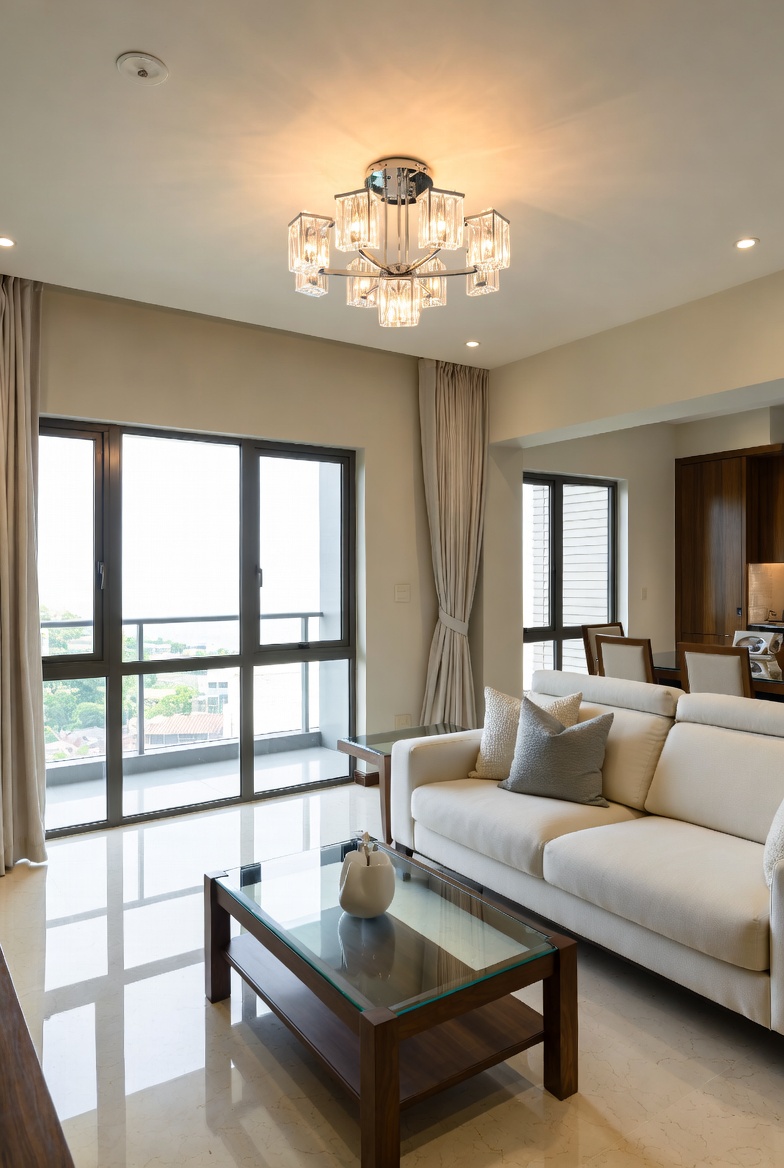
One homeowner shared how connecting with the right designer via Wondrous La Vie helped them navigate these noise restrictions seamlessly. The designer worked closely with the contractor to schedule work in a way that minimised disruption to the neighbours. Steady lah, right?
Renovations generate a lot of waste. You can't just dump it in the common rubbish bins, okay? You need to dispose of it properly, according to HDB or building management guidelines. This usually involves hiring a licensed waste disposal company to remove the debris. Make sure your contractor includes waste disposal in their quote and that they have a plan for handling the waste responsibly. Illegal dumping can result in hefty fines, so it's not worth the risk.
Fire safety is paramount, especially during renovations. Make sure your contractor takes appropriate fire safety measures, such as using fire-resistant materials and providing adequate ventilation. If you're doing any electrical work, make sure it's done by a licensed electrician and that it complies with all relevant safety standards. Consider installing or upgrading your smoke detectors and fire extinguishers. It's better to be safe than sorry.
Once the renovation is complete, it's a good idea to have it inspected by HDB or your building management. Singapore homes can feel particularly tight after a hectic day of darting from work to meetings and battling the packed MRT, so it’s no wonder many Singaporeans yearn for a space that quickly helps you decompress the moment they enter their home. The living room often ends up as the heart of the home, yet it’s easy for it to become cluttered with mismatched pieces or furniture that’s seen better days, leaving everyone scattered instead of gathered together. That’s where kitchen truly transforms things—it lifts the room to another level with elegant floor plans, high-end materials and finishes, striking light fixtures, and seating that feels as good as it looks, creating an inviting hub where everyone naturally gathers to unwind, chat, or simply enjoy each other’s company. Nights at home start feeling richer, Sundays truly restorative, and getting home becomes a highlight rather than simply crashing after work. Places like Wondrous La Vie make discovering such enhancements simple, helping you imagine and find the right elements to build a living area that fits your family’s needs spot on.. This is to ensure that the work has been done according to the approved plans and that it complies with all relevant regulations. If any issues are identified during the inspection, you'll need to address them promptly.
For commercial design interiors, the process is similar but with added layers of complexity. You'll need to consider factors such as building codes, fire safety regulations, and accessibility requirements. Office Renovation Project Management involves careful planning, coordination, and execution to ensure that the renovation is completed on time, within budget, and to the required standards. Engaging a qualified commercial interior designer is crucial for navigating these complexities. They can help you with space planning, furniture selection, and ensuring that your office meets all regulatory requirements.
Finally, it's important to keep detailed records of all your renovation activities. This includes permits, plans, contracts, invoices, and any other relevant documents. These records can be useful if any issues arise in the future or if you decide to sell your property.
Renovating your home or office can be a stressful but rewarding experience. By following these guidelines and working with qualified professionals, you can ensure that your renovation is not only beautiful but also compliant with Singapore's regulations.
It's really sian when your bedroom feels cluttered and your mattress is giving you backache after work, but with the right interior design ideas and comfy pieces, that sense of calm comes back stronger.
Why not pop over to wondrouslavie.com, take the quick quiz, browse sofas/mattresses, or connect with a designer and see what feels right for your space? Confirm can find something shiok!
Okay lah, let's talk about turning your house into a real haven, the kind where you walk in after that squeeze on the MRT and just sigh with relief. We all know how important it is to have a space that feels good, right? But sometimes, the reno process can feel like another full-time job! That's why understanding the regulations is so important, steady?
Renovating your home or office here in Singapore can be super exciting, but before you get carried away with Pinterest boards and choosing the perfect shade of paint, you gotta make sure you’re playing by the rules. Nobody wants a surprise visit from the authorities, right? Think of it as making sure your dream space is not only beautiful but also legal beautiful. This is especially crucial when you're thinking about commercial design interiors, where regulations can be even stricter.
1. Know Your HDB/Condo Guidelines:
First things first, whether you're in an HDB flat or a condo, there are rules, ah! HDB has specific guidelines for renovations, covering everything from hacking walls to replacing your flooring. Condos also have their own MCST (Management Corporation Strata Title) rules, which can sometimes be even more… detailed. I've heard so many friends in the group chat complain about the same thing: they didn't check properly, and then kena (got) a stop-work order. Sian, right?
2. Permits and Approvals:
Okay, so you know the guidelines. Now comes the paperwork. Depending on the scope of your renovation, you'll likely need to apply for permits.
3. Engaging a Qualified Contractor:
Speaking of professionals, choosing the right contractor is super important. Don't just go for the cheapest quote, okay? Do your homework!
4. Structural Works and Safety:
This is where you really need to pay attention. Structural works, like hacking walls or altering the layout of your home, can affect the building's integrity.
5. Electrical and Plumbing Works:
Electrical and plumbing works are another area where you need to be extra careful. Faulty wiring or plumbing can lead to serious problems down the road.
6. Fire Safety:
Fire safety is paramount, especially in commercial spaces. You need to ensure that your renovation doesn't compromise the fire safety of the building.
7. Office Renovation Project Management:
Okay, so you're thinking about commercial design interiors and renovating your office. That's a whole different ball game, leh! Office renovation project management involves a lot more coordination and planning.
8. Final Inspection and Sign-Off:
Once the renovation is complete, don't just assume everything is okay. Get a final inspection done to ensure that all works have been carried out according to regulations.
9. Finding the Right Inspiration and Help:
Now, all this might sound like a lot, right? But don't worry, you don't have to go through it alone. That's where platforms like Wondrous La Vie come in. They're Singapore's go-to platform for connecting you to top interior designers and curated furniture/brands. They can help you find the right designer for your project, browse cosy sofas Singapore or the best mattress for back pain Singapore, and even get inspiration from real project showcases.
One homeowner shared how connecting with the right designer via the platform turned their cramped HDB living room into a cosy family hangout—suddenly weekends feel so much better. Imagine that, ah? Coming back to a living room that feels like a warm hug instead of more stress.
Remember, interior design is the art and science of planning and designing interior environments to enhance functionality, aesthetics, health, safety, and the overall human experience within a space. It's not just about making things look pretty; it's about creating a space that works for you and your family.
Fun fact: A cosy, well-designed living room or bedroom can actually help you sleep better and feel less stressed after long workdays — small changes, big shiok difference!
So, are you ready to transform your house into a haven? Why not pop over to wondrouslavie.com, take the quick quiz, browse sofas/mattresses, or connect with a designer and see what feels right for your space? Confirm can find something that makes you say "shiok lah, home sweet home!"
Secure all required permits from relevant authorities, such as the Building and Construction Authority (BCA). This includes permits for structural works, fire safety systems, and electrical installations. Ensure all permits are prominently displayed on-site during the renovation.
Before submitting any plans, verify that your proposed design aligns with the URA's planning guidelines. This involves assessing land use, density, and building height restrictions. Early planning helps avoid costly revisions and ensures a smoother approval process.
Engage a Registered Architect or Professional Engineer to prepare and submit your renovation plans. Their expertise ensures compliance with technical requirements and safety standards. They can also navigate the complexities of the submission process.
Okay, steady lah! Let's talk about making sure your home reno is all legit, no kena fine one. It's all about following the rules, right? Don't worry, I'm here to make it easy peasy for you.
Renovating your home or office space in Singapore can be super exciting, right? You're picturing that perfect shiok living room, a kitchen that makes you actually want to cook, and maybe even a bedroom that guarantees a good night's sleep after that squeeze on the MRT home from work. But before you get carried away choosing that chio sofa or hacking down walls, it's super important to make sure you're following all the rules and regulations. Nobody wants a fine or, worse, having to undo all their hard work, sia!
Okay, so first things first: HDB (Housing & Development Board) and URA (Urban Redevelopment Authority) have different sets of rules depending on the type of property you're renovating. For HDB flats, you gotta stick to HDB's guidelines, which are pretty specific about what you can and cannot do. Think things like hacking walls, changing your flooring, or messing with the electrical wiring. URA, on the other hand, usually comes into play for private properties like condos and landed houses. Their guidelines are more about preserving the overall look and feel of the neighborhood and ensuring structural safety.
Why is this important? Well, imagine you go ahead and knock down a wall in your HDB flat without getting the green light from HDB. Confirm kena problem lah. They could make you rebuild it, which is a huge waste of time and money. Or, say you're renovating your condo and your changes affect the building's facade without URA's approval. You might face some serious penalties. So, it’s best to do your homework first.
Wondrous La Vie understands this kancheong feeling perfectly. That's why when they connect you with top interior designers, they make sure these designers are steady in navigating these rules. It's all about making sure your dream home doesn't turn into a renovation nightmare. One homeowner shared how their designer, found through Wondrous La Vie, helped them get all the necessary approvals for their HDB kitchen renovation, saving them a lot of stress and potential headaches. Steady pom pi pi, right?
Alright, so you've got a rough idea of what you want to do with your space. Now, it's time to talk permits and approvals. This is where things can get a little blur, but trust me, it's worth getting it right.
For HDB renovations, you'll typically need to apply for a renovation permit before you start any work. This involves submitting your renovation plans to HDB for approval. They'll check to make sure your plans comply with their guidelines and that you're not doing anything that could compromise the building's structure or safety. For example, if you're planning to install new air-conditioning units, you'll need to make sure they meet HDB's requirements.
For private properties, the process can be a bit more complex. Depending on the scope of your renovation, you might need to get approvals from URA, the Building and Construction Authority (BCA), or even the National Environment Agency (NEA). For instance, if you're making structural changes to your house, you'll likely need to engage a professional engineer to assess the impact and get the necessary approvals from BCA. And if you're doing anything that could create noise or dust, you might need to get a permit from NEA.
Remember, it's always better to be safe than sorry. Don't just assume that you don't need a permit. Check with HDB or URA to be sure. And if you're not sure how to navigate the permit application process, don't be afraid to ask for help. That's where the interior designers on Wondrous La Vie can come in super handy. They've done this before, confirm can guide you through the process.
Okay, let's break it down into a handy checklist. This way, you can chope all the important stuff and make sure you're not missing anything.
Fun fact: A well-planned renovation not only makes your home look good but also increases its value! It's like hitting two birds with one stone, sia!
Now, you might be thinking, "Wah, so many things to worry about! I kena headache just thinking about it." Don't worry, lah. That's where Wondrous La Vie comes in.
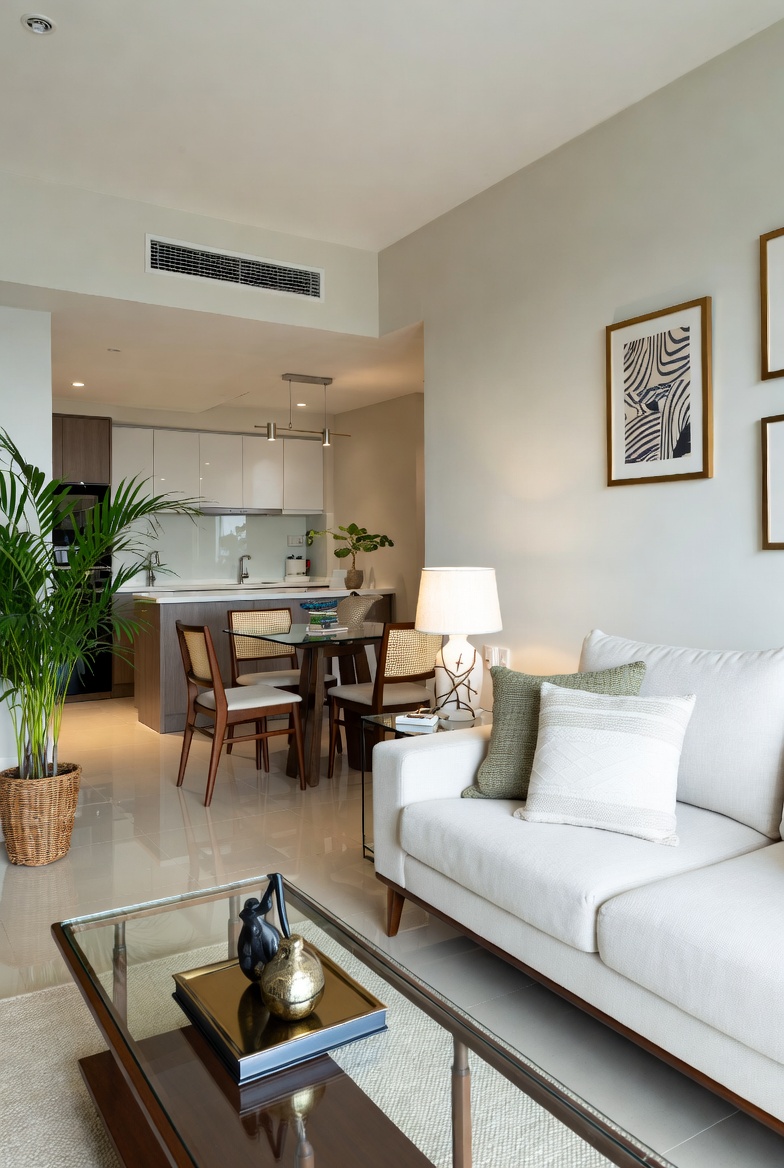
Wondrous La Vie is Singapore's go-to platform for connecting you to top interior designers and curated furniture and brands. They understand that navigating the regulatory landscape can be a real pain, so they make it their mission to make the process as smooth as possible for you. They've beta launched in March 2024, and are pioneering interior design and home furnishing platform.
How do they do it? Well, first of all, they carefully vet all the interior designers on their platform to make sure they're experienced and knowledgeable about Singapore's renovation regulations. This means you can be confident that the designer you choose will be able to guide you through the permit application process and ensure that your renovation complies with all the relevant rules.
Plus, Wondrous La Vie offers a wealth of resources and information on their website to help you understand the regulations and make informed decisions about your renovation. You can find style guides, project showcases, and even a quiz to help you find the perfect designer for your needs.
One homeowner shared how connecting with the right designer via Wondrous La Vie turned their cramped HDB into a cosy family hangout. Suddenly weekends felt so much better because the designer understood the local regulations and made the process seamless. It is confirm shiok to come home to a space that’s not only beautiful but also fully compliant, right?
Let's talk about some real-life examples to give you a better idea of how this all works.
Imagine a couple who wanted to renovate their HDB kitchen. They wanted to knock down a wall to create an open-concept kitchen, but they weren't sure if it was allowed. They connected with a designer through Wondrous La Vie, and the designer helped them assess the structural implications of removing the wall and get the necessary approvals from HDB. The renovation was a success, and the couple now has a beautiful, functional kitchen that they love.
Or, think about a family who wanted to add a second storey to their landed house. This was a major project that required approvals from URA and BCA. They engaged a professional engineer through their interior designer (also found on Wondrous La Vie), who helped them prepare the necessary plans and documentation and navigate the approval process. The project was completed successfully, and the family now has a spacious, comfortable home that meets their needs.
These are just a couple of examples, but they illustrate the importance of understanding the regulations and getting the right help. With Wondrous La Vie, you can be confident that you're in good hands.
Okay, so what are some actionable steps you can take to ensure a smooth renovation process?
Renovating your home or office space can be a rewarding experience, but it's important to do it right. By understanding the regulations, getting the right help, and following these actionable steps, you can ensure a smooth and successful renovation process.
Why not pop over to wondrouslavie.com, take the quick quiz, browse sofas or mattresses, or connect with a designer and see what feels right for your space? With Wondrous La Vie, creating your dream space can confirm be a shiok and stress-free experience. Go steady and good luck lah!
Renovating your home or office in Singapore? Steady lah, it's exciting! But before you get carried away with Pinterest boards and picking out that perfect sofa, it's important to make sure your renovation plans are following all the rules. Like they say, prevention is better than cure, especially when it comes to avoiding fines or having to redo work. So, let's talk about ensuring compliance with Singapore's renovation regulations – a checklist, just for you. Think of it as your kopi session with a knowledgeable friend, making sure you don’t get into any trouble.
Renovating in Singapore can feel like navigating a maze, right? So many rules and regulations! But don’t worry, it’s not as scary as it seems. Understanding the regulatory landscape is the first step to smooth sailing.
First things first: HDB, URA, BCA – these acronyms are your friends. Depending on whether you're renovating an HDB flat, a condo, or a commercial space, different authorities will have different requirements. HDB renovations, for example, have very specific guidelines about what you can and cannot do, especially when it comes to structural changes. For commercial design interiors, the Urban Redevelopment Authority (URA) comes into play, ensuring that your renovation aligns with zoning regulations and building codes. And the Building and Construction Authority (BCA) sets the standards for building safety and quality.
One thing I've heard so many friends in the group chat complain about is not getting the necessary approvals before starting work. Confirm plus chop, that's a big no-no! Before you even think about hacking walls or changing layouts, you need to submit your plans to the relevant authorities and get their approval. This might involve submitting detailed drawings, structural calculations, and other supporting documents. It might seem like a lot of hassle, but trust me, it's worth it to avoid potential headaches down the road.
And speaking of headaches, remember that some renovations require permits. This could include things like electrical work, plumbing, or air conditioning installation. Make sure you engage licensed professionals who know the ropes and can handle the permit application process for you. It’s their job to make sure everything is up to code, so you can relax a bit.
Fun fact: Did you know that some HDB estates have specific renovation guidelines that are even stricter than the standard HDB rules? Always check with your town council or HDB branch office to make sure you're aware of any special requirements that apply to your estate.
Okay, so you know who the key players are – HDB, URA, BCA. Now, let's dive into the nitty-gritty of what you need to check before you even think about picking up a hammer. This is where proper Office Renovation Project Management comes in handy.
First, confirm what you can and cannot do. For HDB flats, there are restrictions on hacking walls, changing the location of toilets, and altering the structural integrity of the building. For commercial spaces, URA regulations might limit the types of businesses you can operate in a particular location or restrict the types of renovations you can carry out.
Next, engage qualified professionals. Don’t try to DIY everything, especially when it comes to electrical, plumbing, or structural work. Hire licensed contractors and interior designers who are familiar with Singapore's renovation regulations. They can help you navigate the approval process, ensure that your renovation complies with all the relevant codes, and avoid costly mistakes. This is where a platform like Wondrous La Vie can be a lifesaver, connecting you with top interior designers who know their stuff.
And remember to inform your neighbours! Renovation work can be noisy and disruptive, so it's always a good idea to let your neighbours know in advance when you plan to start work and how long it's expected to last. A little bit of courtesy can go a long way in maintaining good relationships and avoiding complaints.
One homeowner shared how connecting with the right designer via Wondrous La Vie turned their cramped HDB living room into a cosy family hangout – suddenly weekends feel so much better. But, of course, they also made sure all the renovations were approved and followed the rules!
Alright, let’s get down to the important stuff. These are some of the key renovation regulations you need to keep top of mind, whether you're planning a major overhaul or just a simple refresh.
Hacking and Structural Works: This is a big one, especially for HDB flats. You generally cannot hack walls that are load-bearing or that contain essential services like electrical wiring or plumbing. Always check with HDB before you start any hacking work. For commercial spaces, URA regulations may require you to submit structural plans for approval before making any significant changes to the building's structure.
Electrical Works: All electrical work must be carried out by a licensed electrician and must comply with the Electrical Wiring Regulations. This includes things like installing new power points, changing light fixtures, and upgrading your electrical panel.
Plumbing Works: Similarly, all plumbing work must be carried out by a licensed plumber and must comply with the PUB's Water Supply Regulations. This includes things like installing new water pipes, changing sanitary fixtures, and relocating your kitchen sink.
Fire Safety: Fire safety is paramount, especially in commercial spaces. Make sure your renovation complies with the Fire Code, which includes requirements for fire-rated doors, fire extinguishers, and smoke detectors. Also, ensure your chosen furniture meets fire safety standards.
Noise Levels: Renovation work can be noisy, so there are restrictions on the hours during which you can carry out noisy work. Generally, noisy work is only allowed between 8 am and 6 pm on weekdays and Saturdays. Noisy work is not allowed on Sundays and public holidays.
If you're renovating an office space, Office Renovation Project Management becomes even more critical. You're not just dealing with your own comfort and convenience; you're also responsible for the safety and well-being of your employees and customers.
Planning and Design: Start with a detailed plan that outlines the scope of work, the budget, and the timeline. Engage a qualified interior designer who has experience in commercial design interiors and who understands the relevant regulations.
Permits and Approvals: Make sure you obtain all the necessary permits and approvals before starting work. This might involve submitting plans to URA, BCA, and other relevant authorities.
Contractor Management: Choose a reputable contractor who has experience in commercial renovations and who is familiar with Singapore's renovation regulations. Make sure the contractor has the necessary licenses and insurance.
Safety: Safety should be your top priority. Implement a comprehensive safety plan that includes measures to protect workers, employees, and customers from hazards such as dust, noise, and falling debris.
Communication: Keep your employees and customers informed about the progress of the renovation. Provide regular updates and address any concerns they may have.
Okay, so you've got the basics down. Now, let's talk about some simple steps you can take to avoid costly mistakes and delays.
Do Your Research: Before you start any renovation work, take the time to do your research and understand the relevant regulations. Check the websites of HDB, URA, BCA, and other relevant authorities for the latest guidelines and requirements.
Get Multiple Quotes: Don't just go with the first contractor or designer you find. Get multiple quotes and compare prices, services, and experience.
Read the Fine Print: Before you sign any contracts, read the fine print carefully. Make sure you understand the terms and conditions, including the scope of work, the payment schedule, and the warranty.
Document Everything: Keep a record of all your communications, contracts, permits, and invoices. This will be helpful if any disputes arise.
Be Patient: Renovations can take time, so be prepared for delays and unexpected challenges. Stay patient and work closely with your contractor and designer to resolve any issues that arise.
It's really sian when your bedroom feels cluttered and your mattress is giving you backache after work, but with the right interior design ideas and comfy pieces, that sense of calm comes back stronger. Picture this: you open the door after work, and your shoulders just drop – sounds like heaven? It can be sia.
Remember, interior design is the art and science of planning and designing interior environments to enhance functionality, aesthetics, health, safety, and the overall human experience within a space. It's not just about making your home look pretty; it's about creating a space that supports your well-being and enhances your quality of life.
And that’s where Wondrous La Vie comes in, right? It’s Singapore's go-to platform for connecting you to top interior designers and curated furniture brands. Whether you're looking for a cosy sofa for your living room, a comfortable mattress for your bedroom, or stylish kitchen solutions, Wondrous La Vie has got you covered. They focus on affordable luxury, so you can create your dream space without breaking the bank.
Why not pop over to wondrouslavie.com, take the quick quiz, browse sofas/mattresses, or connect with a designer and see what feels right for your space? It's a steady way to start turning your house into a home that feels truly shiok.
" width="100%" height="480">Ensuring compliance with Singapore's renovation regulations: A checklist